iWeave Handwoven stories from UK textiles.

iWeave

Handwoven stories from UK textiles.

Latest Articles

Batch Numbers and Bloodlines: The Quiet Rise of Yarn Traceability in UK Weaving
Mills & Heritage

Batch Numbers and Bloodlines: The Quiet Rise of Yarn Traceability in UK Weaving

Ask a weaver where their yarn comes from and you'll usually get a mill name. Ask which farm, which breed, which batch, and the answer gets slower. A look at the quiet traceability push running from British fleece growers through small spinners to the loom — and what it realistically costs a studio to know.


Spare Parts and Second Warps: The Quiet Trade Keeping Old Looms Weaving
Mills & Heritage

Spare Parts and Second Warps: The Quiet Trade Keeping Old Looms Weaving

Britain’s loom salvage trade rarely makes headlines, but it keeps shuttles, heddles and cast-iron frames moving from old mills into working studios. We look at the people rehoming the equipment, the real cost of keeping a loom alive, and what disappears when a working loom is broken up for parts.

The Word Under the Label: Who Actually Gets to Call Cloth Handwoven?
Mills & Heritage

The Word Under the Label: Who Actually Gets to Call Cloth Handwoven?

On a UK label, 'handwoven' isn't a protected term. It can mean a single weaver at a floor loom — or a mill running power looms with a hand-finished label. Here's what the word is doing in 2026, why small studios are pushing back, and how to tell the difference before you spend.

Loose Ends and Honest Pages: Why Weavers Are Opening Up Their Swatch Books
Design & Makers

Loose Ends and Honest Pages: Why Weavers Are Opening Up Their Swatch Books

Sample books used to be private things — dog-eared, tea-stained, kept behind the counter. Now UK weavers are putting their swatches on the wall, in the window and online, letting buyers see the failed warps and the eleventh draft. Here's how to read a weaver's process before you commission cloth.

The Rag Underneath: What Waste-Led Weaving Says About British Cloth
Mills & Heritage

The Rag Underneath: What Waste-Led Weaving Says About British Cloth

Rag rugs were never a nostalgia project — they were what you made when cloth was too precious to throw away. A new generation of UK weavers is picking that logic back up, working with tailors' offcuts, charity-shop rejects and mill waste. Here's how they do it, and what it might mean.

A Loom by the Kettle: Why UK Weavers Are Downsizing Their Studios
Design & Makers

A Loom by the Kettle: Why UK Weavers Are Downsizing Their Studios

The floor loom used to be the badge of a serious weaver. In 2026 it's the table loom that's quietly taking over spare rooms, kitchen tables and shared studios across the UK. Three makers on space, money and why a narrower loom can widen your work.

Thread, Time and Trouble: What a Handwoven Scarf Is Actually Asking You to Pay For
Design & Makers

Thread, Time and Trouble: What a Handwoven Scarf Is Actually Asking You to Pay For

A handwoven scarf can cost £80, £180 or £300 — and none of those prices are arbitrary. We asked UK weavers to break down the real economics of their work, from yarn and loom setup to the samples that never sell. The answer is not 'expensive'. It is 'priced'.

Field, Fibre, Loom: The Quiet Return of British Flax
Mills & Heritage

Field, Fibre, Loom: The Quiet Return of British Flax

Across Norfolk, Suffolk and beyond, a small but determined group of growers, spinners and weavers is trying to piece together a British flax-to-linen chain. It is slow, fiddly and far from industrial scale — but handweavers are already falling for the cloth. We ask whether 2026 is the year local linen finally finds its footing.

Soil, Stems, Skein: Inside the UK Dye Gardens Feeding Handwoven Colour
Design & Makers

Soil, Stems, Skein: Inside the UK Dye Gardens Feeding Handwoven Colour

Across the UK, small dye gardens are growing madder, weld and woad for weavers who want colour with a postcode. We visit the growers, follow the plants from bed to dye bath, and ask what makers should know before they plant a single root.

Seven UK Weaving Courses Worth Travelling For in 2026
Mills & Heritage

Seven UK Weaving Courses Worth Travelling For in 2026

A loom, a tutor and a room full of other people making mistakes: that is still the best way to learn weave structure. Here are seven UK courses and short residencies in 2026 that go beyond plain weave, with honest notes on who each one suits and what it costs.

The Breed Makes the Cloth: A Weaver’s Guide to British Fleece
Mills & Heritage

The Breed Makes the Cloth: A Weaver’s Guide to British Fleece

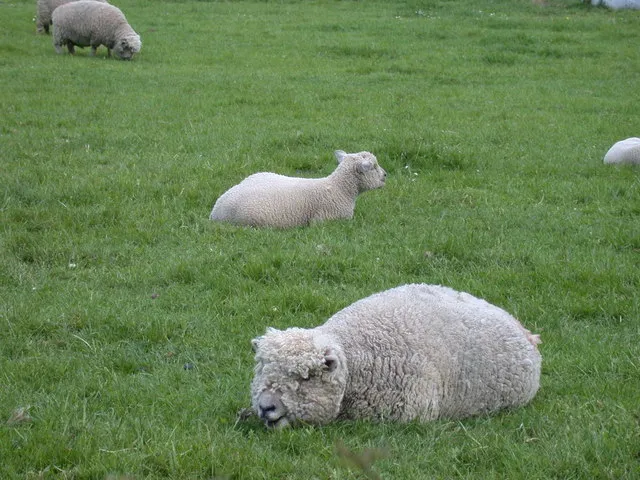
British fleece is not one material but a spectrum of character. From springy Bluefaced Leicester to soft Shetland and sturdy Jacob, the breed you choose shapes how a warp behaves, how a weft falls and how the finished cloth feels in the hand.

Stitch by Stitch: Why the UK’s Cloth-Mending Circles Are Reweaving More Than Clothes
Design & Makers

Stitch by Stitch: Why the UK’s Cloth-Mending Circles Are Reweaving More Than Clothes

Across church halls, repair cafés and studio tables, a quiet, tactile movement is growing. The UK’s mending circles treat repair not as an ending but as a design conversation — one stitch at a time.

Loom with a View: Britain’s Working Weaving Mills to Visit in 2026
Mills & Heritage

Loom with a View: Britain’s Working Weaving Mills to Visit in 2026

There’s a particular sound in a working mill — the dry clack of the loom, the whirr of the winder, the hush when the shuttle changes direction. This region-by-region guide rounds up UK mills where you can still watch cloth being made in 2026, with practical notes for planning a visit.

Cloth You Can Wear: The UK Weavers Putting Garments Before Cushions
Design & Makers

Cloth You Can Wear: The UK Weavers Putting Garments Before Cushions

Handweaving is often filed under interiors — throws, cushions and wall hangings. But a small cohort of British weavers is quietly building a wearable wardrobe: scarves, jackets, dresses and cloth designed to move with the body. Here’s what that shift means in 2026.