Thread, Time and Trouble: What a Handwoven Scarf Is Actually Asking You to Pay For

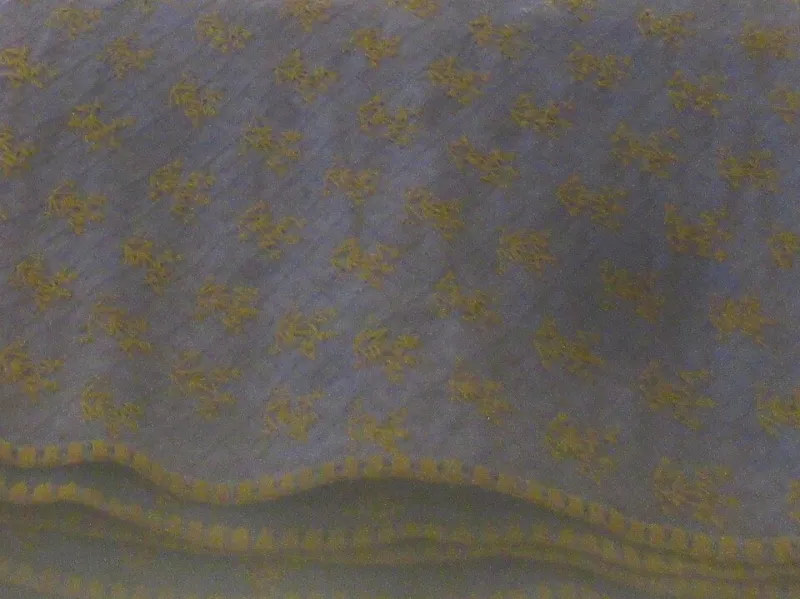
Photo: handwoven wool scarf on wooden loom UK weaver studio close up, via www.calcioefinanza.it
At a winter craft fair in Manchester, a weaver watched a customer lift a scarf from the table, run it through her fingers, check the label, and say: 'It's lovely. But it's expensive.' The scarf was £140. The weaver had spent two days on it before it ever reached the table. This is not a sob story. It is an economics lesson.
The yarn is the smallest part
A good scarf might use £20-£40 of yarn. British wool, silk, linen, alpaca. Dyeing, shipping. But yarn is rarely the main cost. The main cost is time.
The loom doesn't start when you start weaving
Before the first pick, there is the design and the warp. Winding the warp, threading the heddles, sleying the reed, tying on. For a small run, setup can take four to eight hours. Weaving might take six to ten. Then finishing: washing, pressing, twisting fringe, attaching labels. A simple scarf can easily be 15 hours of work. At £15 an hour, that is £225 before materials. Many weavers charge less than that.
You are also paying for the scarf that didn't work
Sampling. Test warps. Colourways that fail. Photographs. Admin. Market fees. Studio rent. Insurance. Tax. Website. Packaging. The failed samples. The loom downtime. 'People see the finished object, not the bin of cut-offs,' says a weaver in Bristol.
Why 'expensive' is the wrong word
Expensive compared with what? A fast-fashion scarf at £12 is not the same product. It may be made from synthetic yarn, in a factory, by workers paid a wage you cannot verify. Handwoven cloth is made in small runs, often by one person, with materials you can trace. It can be repaired. It is not disposable. The price is not a moral judgement on you. It is a sum.
The honest maths of a £160 scarf
One UK weaver shared a rough breakdown for a £160 handwoven scarf: materials £30; loom setup and weaving labour £95; finishing £15; studio overheads £10; packaging and card £3; card fees £2; profit £5. That profit is not a yacht. It is a buffer for the next failed warp. Some weavers price higher; some lower. The point is the shape of the maths.
What buyers are actually paying for
They are paying for skill, yes, but also for a different relationship with stuff. A handwoven scarf is a small, portable piece of a person's working life. It is also a vote for a local textile economy that is hanging on in studios and small mills across the UK.
Ask better questions
If a scarf is £45, ask how. If it is £300, ask why. Ask about fibre, care, repair, batch. A good weaver will tell you. 'I'd rather someone understand the price and not buy than buy it thinking I'm ripping them off,' one weaver says.
Worth is not the same as cheap
Handwoven textiles are not expensive because weavers are greedy. They are priced because time, skill and materials have value. In 2026, with the cost of everything up, that is worth saying plainly. The next time you see a price tag on a handwoven scarf, do not mentally compare it with a high-street version. Compare it with the hours, the loom, the yarn, and the person who made it. Then decide what it is worth to you.